
When it comes to transporting bulk liquids, businesses have several options, but two of the most commonly used solutions are tank containers and flexibags. Each offers unique advantages, and choosing between them depends on various factors such as the nature of the cargo, cost considerations, and logistical requirements. In this post, we’ll explore the benefits and differences between tank containers and flexibags, helping you make an informed decision for your transportation needs.
What Are Tank Containers?
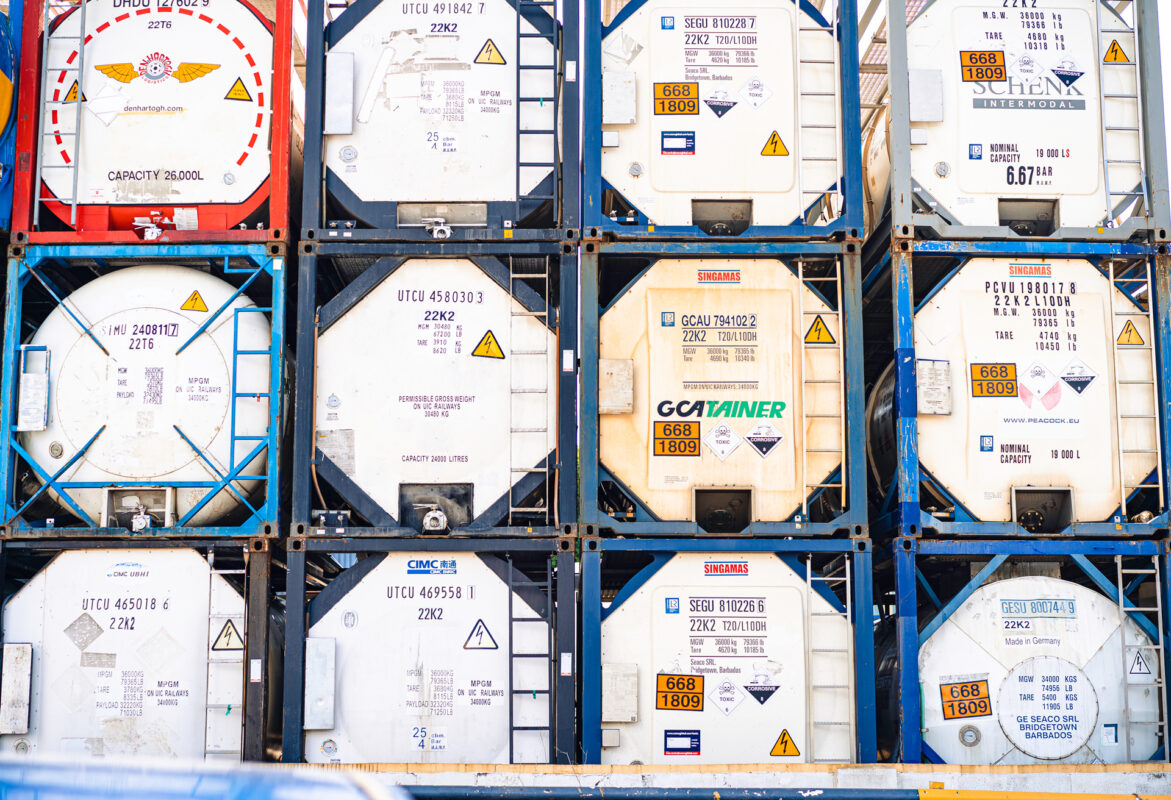
Tank containers, also known as ISO tanks, are cylindrical containers made of stainless steel, mounted within a steel frame that conforms to the ISO (International Organization for Standardization) specifications. These containers are primarily used for the transport of hazardous and non-hazardous liquids, chemicals, food-grade liquids, and gases. They come in various sizes, typically ranging from 20 to 40 feet in length, with the 20-foot size being the most common.
What Are Flexibags?
Flexibags, or flexitanks, are flexible bladders made from multiple layers of polyethylene and an outer layer of woven polypropylene. These bags are designed to fit inside a standard 20-foot dry shipping container, transforming it into a bulk liquid transportation vessel. Flexibags are mainly used for non-hazardous liquids such as foodstuffs, wine, edible oils, and certain chemicals.
Key Differences Between Tank Containers and Flexibags
- Capacity and Volume
- Tank Containers: Typically, tank containers have a capacity of 17,500 to 26,000 liters, depending on the size and type of tank.
- Flexibags: Flexibags can hold between 16,000 and 24,000 liters, depending on the type of liquid and the dimensions of the container.
- Cargo Compatibility
- Tank Containers: Designed for a wide range of liquids, including hazardous chemicals, corrosive substances, and food-grade products. Their stainless steel construction makes them suitable for carrying liquids that require specific temperature control or that are highly reactive.
- Flexibags: Primarily used for non-hazardous liquids. While they are highly versatile for products like oils, juices, and wines, they are not suitable for hazardous chemicals due to safety concerns.
- Durability and Reusability
- Tank Containers: Built to last for years, tank containers are highly durable and can be reused many times over their lifespan. They are also easier to clean and maintain, making them ideal for repeated use.
- Flexibags: Designed for single use, flexibags are typically disposed of after one trip. While this reduces the need for cleaning and maintenance, it also means they are not as environmentally sustainable as tank containers.
- Cost
- Tank Containers: The initial investment in tank containers is higher due to their robust construction and specialized design. However, their reusability and long lifespan can make them cost-effective over time, especially for companies with regular bulk liquid transportation needs.
- Flexibags: Flexibags are generally more cost-effective for one-time or occasional shipments. Their lower upfront cost and the ability to use standard shipping containers make them an attractive option for smaller shipments or less frequent transportation.
- Environmental Impact
- Tank Containers: With proper maintenance, tank containers can be used for many years, reducing waste and minimizing environmental impact. Their ability to be cleaned and reused also contributes to sustainability.
- Flexibags: While flexibags are made from recyclable materials, their single-use nature means they generate more waste compared to tank containers. However, some companies are exploring ways to recycle flexibags, reducing their environmental footprint.
- Loading and Unloading
- Tank Containers: These containers require specialized equipment and expertise for loading and unloading. The process is more complex but ensures the safe handling of even the most hazardous liquids.
- Flexibags: Flexibags are relatively easy to load and unload, requiring less specialized equipment. The bag is simply placed inside a standard container and filled via a valve, making the process quicker and more straightforward.
- Logistical Flexibility
- Tank Containers: Offer greater flexibility in terms of intermodal transport. They can be easily transferred between trucks, trains, and ships without the need to transfer the liquid itself, reducing the risk of spillage or contamination.
- Flexibags: While versatile, flexibags are limited to standard container sizes and may not offer the same ease of transfer between different modes of transport. They are ideal for direct shipments where the container will not need to be transferred multiple times.
Benefits of Tank Containers
- Safety and Security: Tank containers are designed to meet stringent international safety standards, making them the preferred choice for transporting hazardous materials.
- Reusability: Their durability allows for repeated use, which can be cost-effective in the long run.
- Temperature Control: They can be equipped with heating or cooling systems, making them suitable for temperature-sensitive cargo.
Benefits of Flexibags
- Cost-Effectiveness: Lower upfront costs make flexibags an affordable option for non-hazardous liquid transport.
- Ease of Use: Simple loading and unloading processes reduce labor and time costs.
- Maximization of Cargo Space: Flexibags make efficient use of standard shipping containers, optimizing space and reducing shipping costs.
Conclusion
Both tank containers and flexibags offer distinct advantages depending on your transportation needs. If you require a solution for hazardous liquids, or you plan to reuse the container multiple times, tank containers are likely the better option. On the other hand, if you’re looking for a cost-effective, one-time solution for non-hazardous liquids, flexibags provide an efficient and flexible alternative.
Understanding the differences and benefits of each option will help you make the right choice for your business, ensuring that your liquid cargo reaches its destination safely, efficiently, and cost-effectively. As the global logistics landscape continues to evolve, staying informed about your transportation options is key to maintaining a competitive edge.
